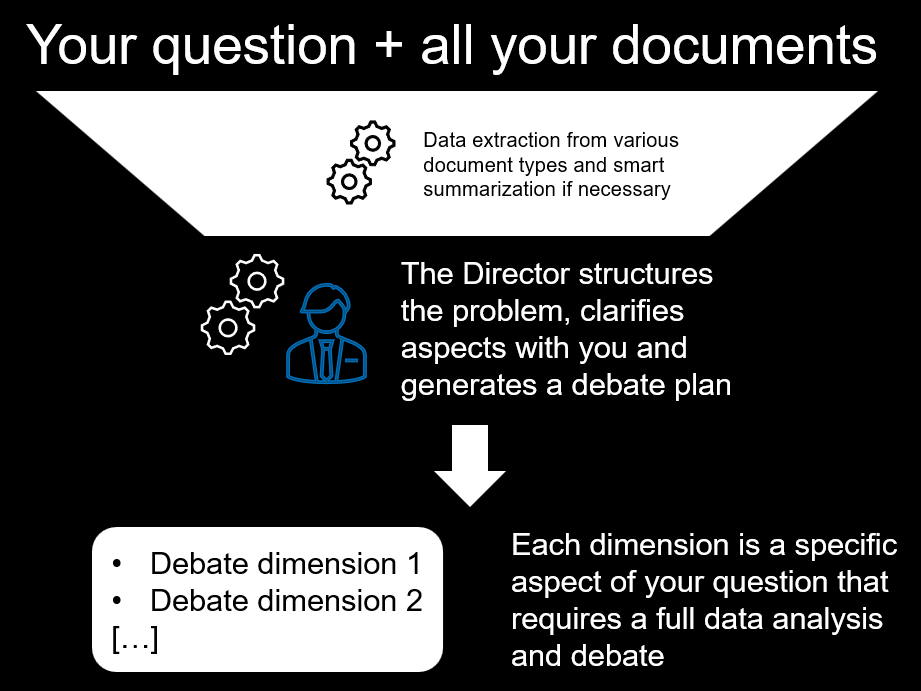
"Should Nexora AG proceed with the acquisition of Luminos Biochem, Inc. at the proposed enterprise value of $485M?"
A consulting firm submitted financials, and strategic context. arbitrIQ examined 4 dimensions:
Dimension 1: Valuation Adequacy at $485M EV (Assess whether the proposed enterprise value is financially justified on standalone and synergy-adjusted bases using historical performance, DCF outputs, and public/transaction multiples, including whether Nexora is being asked to overpay relative to Luminos’ current earnings and cash flow)
Dimension 2: Quality and Durability of Luminos Standalone Business (Evaluate the strength and sustainability of Luminos’ underlying business model, including revenue growth, margin trajectory, customer concentration, contract visibility, capacity expansion, patent-backed technology, and exposure to operational or competitive downside risks)
Dimension 3: Realism and Executability of Synergies and Integration (Examine whether the identified cost and revenue synergies are credible, achievable within the stated timetable, and sufficient after integration costs and execution risk, including cultural, systems, commercial, manufacturing, and leadership-retention considerations)
Dimension 4: Financing Impact and Risk-Adjusted Strategic Attractiveness for Nexora (Analyze how the transaction affects Nexora’s balance sheet, leverage, interest burden, covenant headroom, and shareholder economics, while also weighing whether acquiring Luminos materially advances Nexora’s strategic position in bio-based specialty ingredients under current market and regulatory conditions)
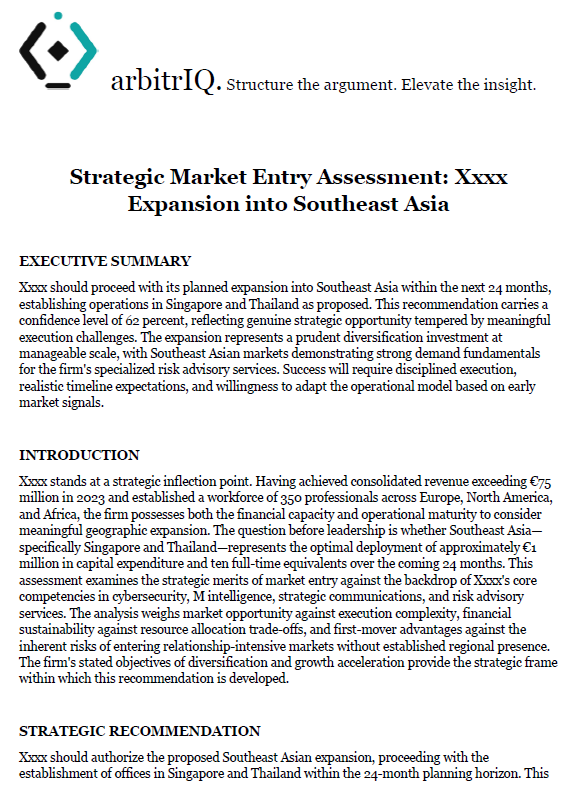
Recommendation: Proceed only under staged entry with regulatory validation. Expansion not recommended under current leverage without capital buffer.
What the debate surfaced
🟦 1. Computed Metrics:
Implied forward EV/EBITDA: 9.0x (vs. 15.5x public comp median)
Standalone DCF at 9% WACC: $522.5M ($37M above ask)
Integration costs consume 85% of synergy NPV... but run-rate synergy value is 3.9x integration spend
Post-close leverage: 1.49x, interest coverage: 12.18x
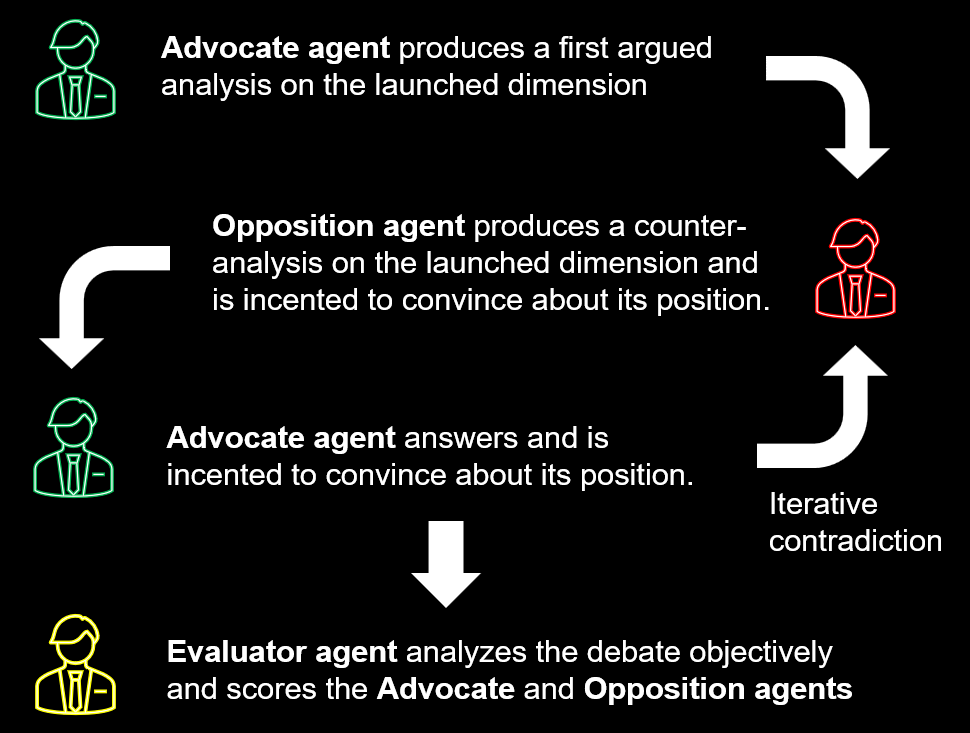
🟥 2. Structured Opposition Raised:
WACC sensitivity: +100bp reduces DCF by $55-65M, potentially below ask
Revenue growth deceleration over four consecutive years
Leadership retention risk undermines synergy capture
🟨 3. Debate Scores:
D1 Valuation: Advocate 74 / Opposition 58
D2 Business Quality: Advocate 72 / Opposition 58
D3 Synergies: Advocate 62 / Opposition 68
D4 Financing & Strategy: Advocate 75 / Opposition 58
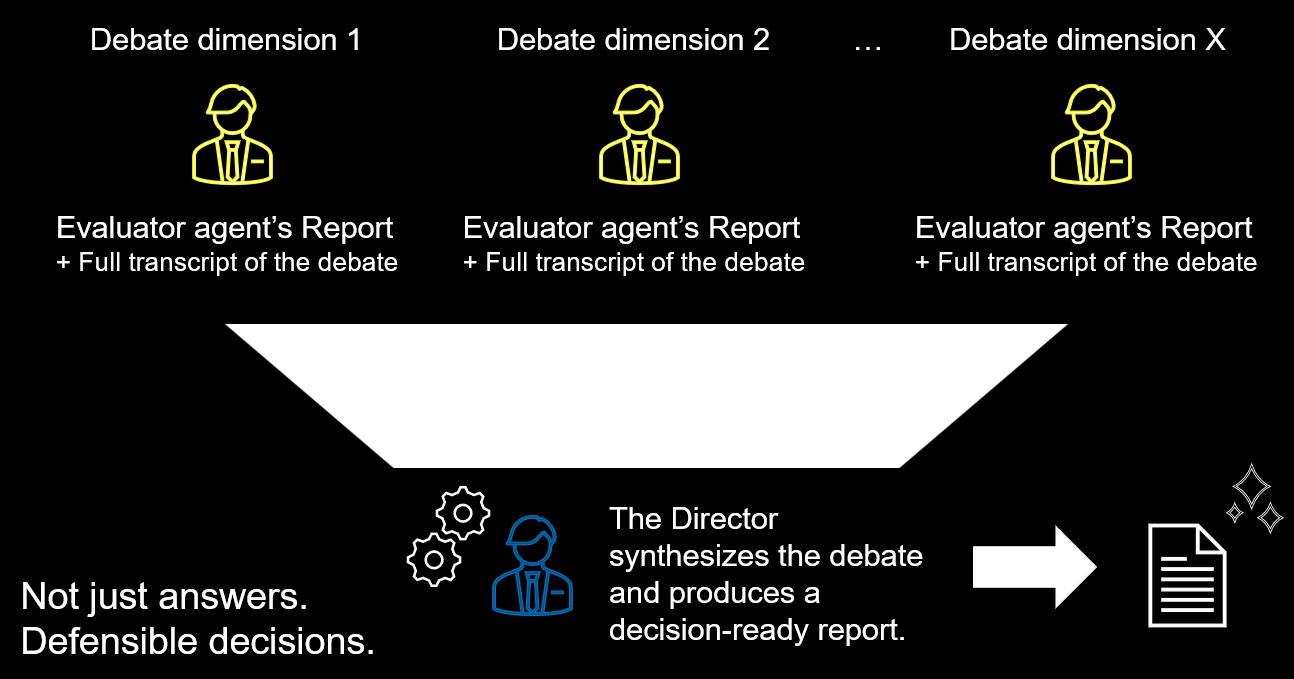
🟩 4. Final Decision Framing:
Decision: YES | Confidence: 72%
Proceed only with explicit conditions: retention packages, conservative synergy baseline, milestone-based integration governance
Deal is strategically compelling and financially supportable; principal risk is execution, not valuation
184K
Characters transcript
Nothing hidden. Read the full output yourself.